Living in Brazil: Talk About Quality of Life in Portuguese
Portuguese Classes · October 22, 2026
Watch on YouTube
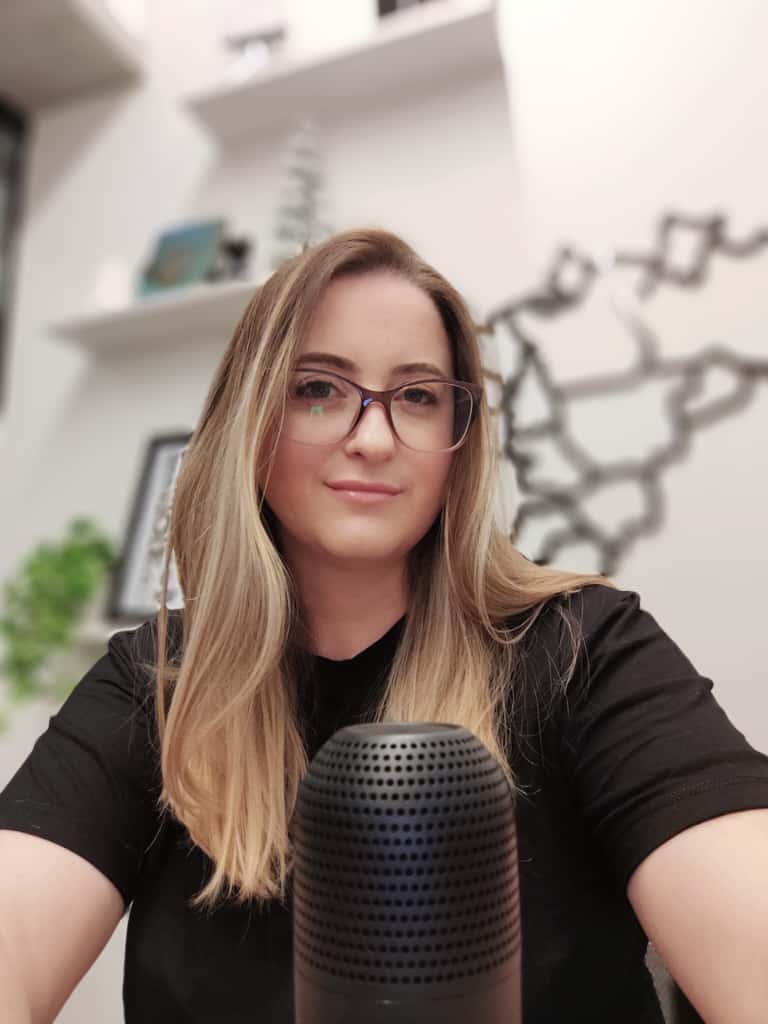
By Bruno Lopes · Brazilian Portuguese teacher · Real Life Portuguese co-founder
Host of I Speak Portuguese · Updated
Meet Bruno and the teaching teamWatch for the speakers’ priorities, not a list of rules about Brazil
The source is Living in Brazil: Money, Freedom & Happiness, published on the Portuguese Classes channel on October 22, 2026. Bruno and Sabrina discuss what a comfortable life means to them, how remote work changes a routine, and what they enjoy outside work. This companion uses the topics in the available final Portuguese captions. It is a study guide, not a verbatim transcript.
Their examples are personal perspectives. They do not establish how every Brazilian lives or how much you would need to earn. This lesson does not reproduce salary estimates, rent figures, population percentages, claims about employment law, or health claims from the conversation as verified facts. The learning task is to understand someone’s preference, reason and qualification.
First listen for one contrast: a speaker can value financial comfort and still want time to enjoy it. On a second pass, notice whether a statement describes a current routine, an ideal routine or somebody else’s situation. These are different messages, even when the same activity appears in all three.
Use five expressions to organize what you understand
Do not try to translate every word on the first pass. Choose one speaker, note a priority, and add the reason they give. Then compare that account with the other speaker’s. If you cannot identify the reason, replay the relevant passage rather than inventing one from the topic.
| Portuguese | Meaning in this discussion | Your listening task |
|---|---|---|
| qualidade de vida | quality of life | Identify what the speaker includes in a good life. |
| conforto financeiro | financial comfort | Check whether money is the whole goal or one part. |
| tempo de deslocamento | commuting or travel time | Notice the time spent getting somewhere. |
| depende do que você procura | it depends on what you are looking for | Find the condition behind a recommendation. |
| encontrar um equilíbrio | find a balance | Name the two needs being considered. |
Tell an ideal routine apart from your real routine
A description of a desired day does not automatically describe the speaker’s actual day. In your own reply, signal that distinction explicitly. Eu gostaria de introduces what you would like; hoje or atualmente can introduce your current situation. The sentence models below are original teaching examples, not quotations from the episode.
Hoje eu trabalho presencialmente, mas gostaria de trabalhar mais perto de casa.
At the moment I work on site, but I would like to work closer to home.
Para mim, uma vida boa inclui tempo para os amigos.
For me, a good life includes time for friends.
Eu prefiro uma rotina previsível porque consigo organizar melhor o meu dia.
I prefer a predictable routine because I can organize my day better.
Practise a conversation about two different priorities
This is an original fictional dialogue. It models a difference of preference without deciding that one person’s life is better. Listen to the public episode separately for the hosts’ actual voices.
A: O que é qualidade de vida para você?
What does quality of life mean to you?
B: Para mim, é ter tempo livre. E para você?
For me, it is having free time. What about you?
A: Eu valorizo a estabilidade, mas também quero tempo para viajar.
I value stability, but I also want time to travel.
B: Então a gente procura coisas diferentes, mas os dois querem equilíbrio.
So we are looking for different things, but we both want balance.
Make the listening activity your own
Write a three-part answer: what you value, why you value it, and one practical example. For example, Para mim, qualidade de vida é morar perto das pessoas de quem gosto. Assim, posso encontrar meus amigos durante a semana — For me, quality of life means living near the people I care about. That way, I can meet my friends during the week.
If your answer names a city, explain the feature you want rather than claiming the whole city is ideal for everyone. A quieter street, a shorter commute and being near friends are concrete preferences. You can also say Ainda não conheço a cidade o suficiente para decidir — I do not know the city well enough to decide yet.
For a short speaking task, explain your current routine in two sentences, then change just one detail to describe your preferred routine. Keep what is real and what is hypothetical clear. The aim is a coherent personal answer, not a score or a test of whether you agree with either host.
Try it before opening the answers
These are original practice activities. Say your answer aloud or write it first, then compare the meaning and explanation. Other clear replies can also work; this is not a proficiency score.
- A speaker describes a perfect morning, then says it is the lifestyle they seek. Is it safe to report that they live exactly like this?
Suggested answer and explanation
No. A desired routine and a current routine are different. Look for an explicit description of what actually happens.
- How would you begin an answer that is your personal definition, not a claim about everybody?
Suggested answer and explanation
Para mim, qualidade de vida é… — For me, quality of life is… The opening makes the scope clear.
- What does depende do que você procura add to a recommendation?
Suggested answer and explanation
A condition: the answer changes with the person’s priorities. It is not a universal recommendation.
- Create a reply with a preference, a reason and a contrast.
Suggested answer and explanation
One possible reply: Prefiro morar perto do trabalho porque economizo tempo, mas gosto de visitar lugares mais tranquilos no fim de semana — I prefer living near work because I save time, but I like visiting quieter places on weekends.
Continue with the episode and the app
Choose one useful phrase, listen to the public conversation, then make a new reply about your own situation. The written activities on this page are original companion practice; they are not a verbatim transcript, additional recordings or claims about a specific lesson inside the app.
Explore Real Life Portuguese for Brazilian audio and everyday expressions. Use what you hear as the starting point for a reply of your own. Bruno Lopes is a co-founder of the app. For feedback on your spoken answer, bring it to a trial lesson.
Sources and lesson scope
Source links checked October 26, 2026. The video publication date is October 22, 2026. Personal opinions are not universal claims about Brazil; current prices, legal requirements and medical outcomes are outside this language lesson.
Frequently asked questions
Is this an up-to-date cost-of-living guide to Brazil?
No. It is a Portuguese listening and conversation lesson. The hosts’ personal estimates are not presented as verified current prices or income requirements.
Are the written dialogues quotations from Bruno and Sabrina?
No. They are original companion exercises. The embedded public video contains the actual conversation.